
Bell County Arrest Warrants Explained
Under Texas Code of Criminal Procedure Article 15.01, an arrest warrant is a magistrate's written order telling a peace officer, or another named person, to bring the accused in. Articles 15.02 through 15.05 fill in the basics. The instrument must name the person or describe them well enough to identify them, state the offense, and rest on a sworn complaint signed by a magistrate. Where the case lands in Bell County depends on the charge and the court's jurisdiction. Felonies run through the district-court layer, with the District Clerk keeping the file. County courts, JP courts, and municipal courts each take their assigned cases. The Sheriff serves the felony and misdemeanor warrants filed with it, while a city department or a constable may handle other process. When in doubt, ask the court or the Sheriff which record is actually in front of you.
Probable Cause Reaches a Bell County Magistrate
Everything begins with a complaint or affidavit swearing facts to a magistrate who has authority over the matter. If the facts hold up, the magistrate signs a written arrest warrant that names the person or gives a reasonably definite description, states the offense, and shows the magistrate's signature and office. A case record opens next. Then the serving agency gets the process. Those are distinct steps, and Bell County's public pages publish no single warrant-number format. A sealed complaint or a restricted attachment may never surface in an ordinary public warrant lookup, so the issuing court decides what can be released. The Texas Code of Criminal Procedure, Chapter 15 lays out the warrant and complaint requirements, and the state court directory maps the layers of courts that can issue process in the first place.
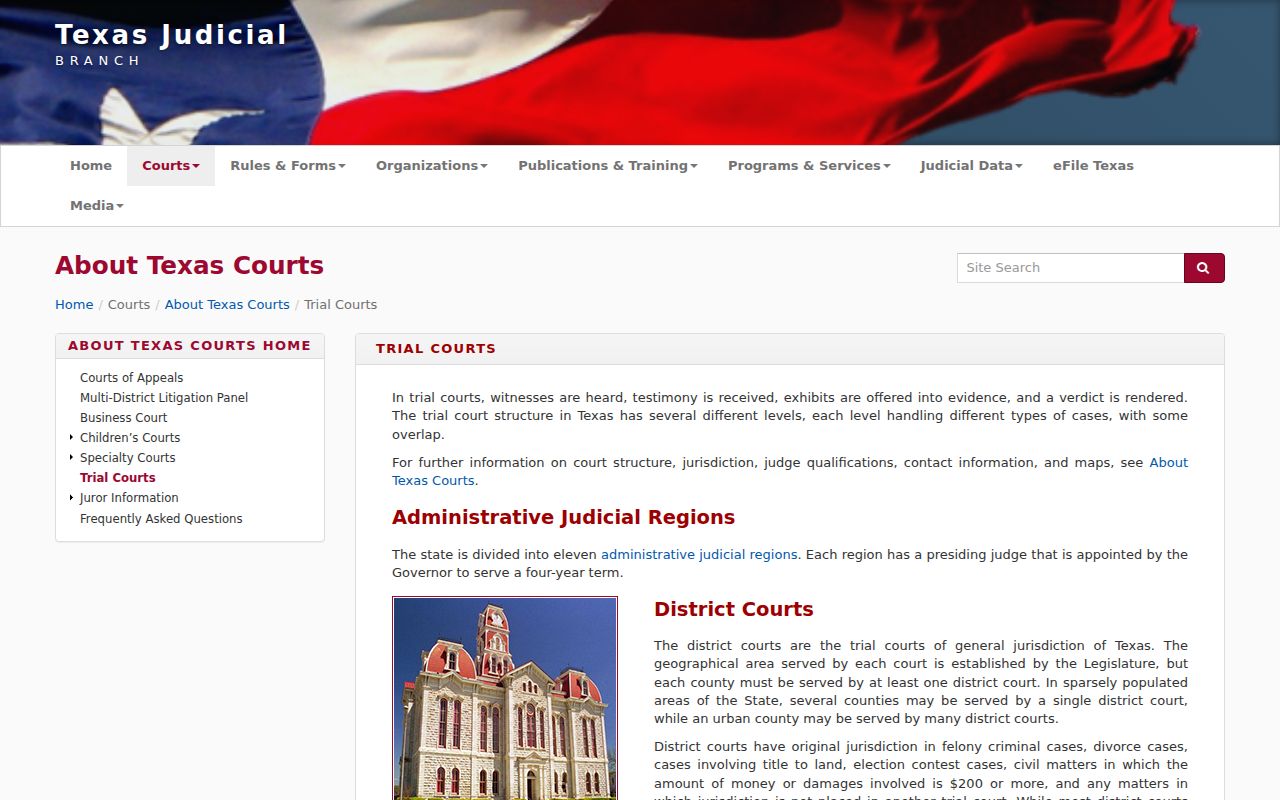
The hierarchy helps identify the right clerk, but the case court confirms status.
Inside a Bell County Arrest Warrant
A docket or the full instrument often carries more than a public summary does. Ask Bell County for the exact record that answers your question: the warrant itself, the complaint or affidavit, the issue date, a service return, a bond order, or a recall. The Sheriff's site describes its duties but posts no sample of every field in its files.
| Issuing magistrate | Judicial officer who authorized the warrant under the law. |
|---|---|
| Cause number | Case identifier used by the issuing court and clerk. |
| Offense | Charge stated in the order; ask the court to explain the case classification. |
| Bond | Cash, surety, personal, or other order-specific terms, if set. |
| Service / status | Whether served, recalled, quashed, or still active in the relevant system. |
Killeen's city list is not a Bell County arrest-warrant schema. It shows only its own fields: name, date, balance, and offense.
Bell County Felony Warrants and Sheriff Filing
The Bell County Sheriff's Civil and Warrants section serves, logs, maintains, recalls, and updates the felony and misdemeanor warrants filed with the office. For that channel, call Warrants at (254) 933-5431. The office does not claim that every city, JP, family-court, or federal warrant lands there, so treat it as one channel among several. For a district felony file, start with the District Clerk's court and criminal-record pages, then confirm warrant status with the Sheriff or the issuing court. The official criminal name search costs $5 per name. A separate NextRequest written request can seek a warrant copy, a service return, a recall order, or a status history held by the Sheriff.
Bell County Sheriff's Warrants
104 S. Main St., Belton, TX 76513
(254) 933-5431
Serving Arrest Warrants in Bell County
The Sheriff serves the felony and misdemeanor warrants filed with it. Constables handle precinct-based process, and city police or other authorized peace officers may serve warrants within their own authority. The public sources do not assign each warrant to one officer. One fee deserves a careful read: the $50 Sheriff/Constable arrest-warrant service fee, effective January 1, 2025, is an agency charge, not a bond and not part of a court balance. After an arrest, booking and a magistrate appearance follow. Bell County publishes no promise that a walk-in appearance avoids arrest, so anyone weighing that route should call the issuing court or warrant office first and talk it over with counsel about the safest way forward.
Who May Serve a Bell County Warrant?
Issuing a Bell County warrant and serving it are two different jobs. The judge or magistrate authorizes the process. A clerk records it. A law-enforcement agency attempts service, and the court later records a return, a recall, or another event. Who serves can turn on the warrant type, the filing route, and the court's authorization, so do not assume the Sheriff is the only agency involved.
| Process | First public contact | Possible serving layer |
|---|---|---|
| District felony | District Clerk and Sheriff Warrants | Sheriff, constable, city police, or authorized officer |
| JP traffic / fine-only | Correct JP place | Constable, Sheriff, or other authorized peace officer |
| Municipal Class C | City municipal court | City police or another authorized officer |
| Federal | Waco federal court or counsel | U.S. Marshals and federal/local partners |
Each office can answer only for records and duties within its role.
Comparing Arrest, Summons, and Bench Warrants
An arrest warrant tells an officer to take someone into custody. A summons just orders the person to appear. A bench warrant usually follows a missed setting or a problem with a court order. The court, the triggering event, and the docket label tell you which instrument exists in a Bell County case. A bench warrant is not a second name for an initial arrest warrant. Fine-only matters can go another way after judgment and nonpayment: a capias pro fine, governed by its own Chapter 45A rules. The Bell County Bench Warrant Search covers the missed-court and capias routes in more detail. For one person's status, the court named on the case is still the source.
What Bond Can and Cannot Do
Bell County offers three bond routes: cash, surety, or personal. The District Clerk takes cash bonds on weekdays. When that office closes, the jail steps in. Neither desk publishes one universal schedule, so the county bond page tells you to call the jail or the District Clerk and ask whether bond has even been set. Remember what a Bell County bond actually does. It secures release and required appearance. It does not dismiss the charge or erase the case. A fine, a capias amount, a bond, a surety premium, and a card processing fee are separate numbers. So ask which court set the amount, which cause it covers, where payment is accepted, and what paperwork is needed. The District Clerk's page lays out its bond options and the after-hours route.
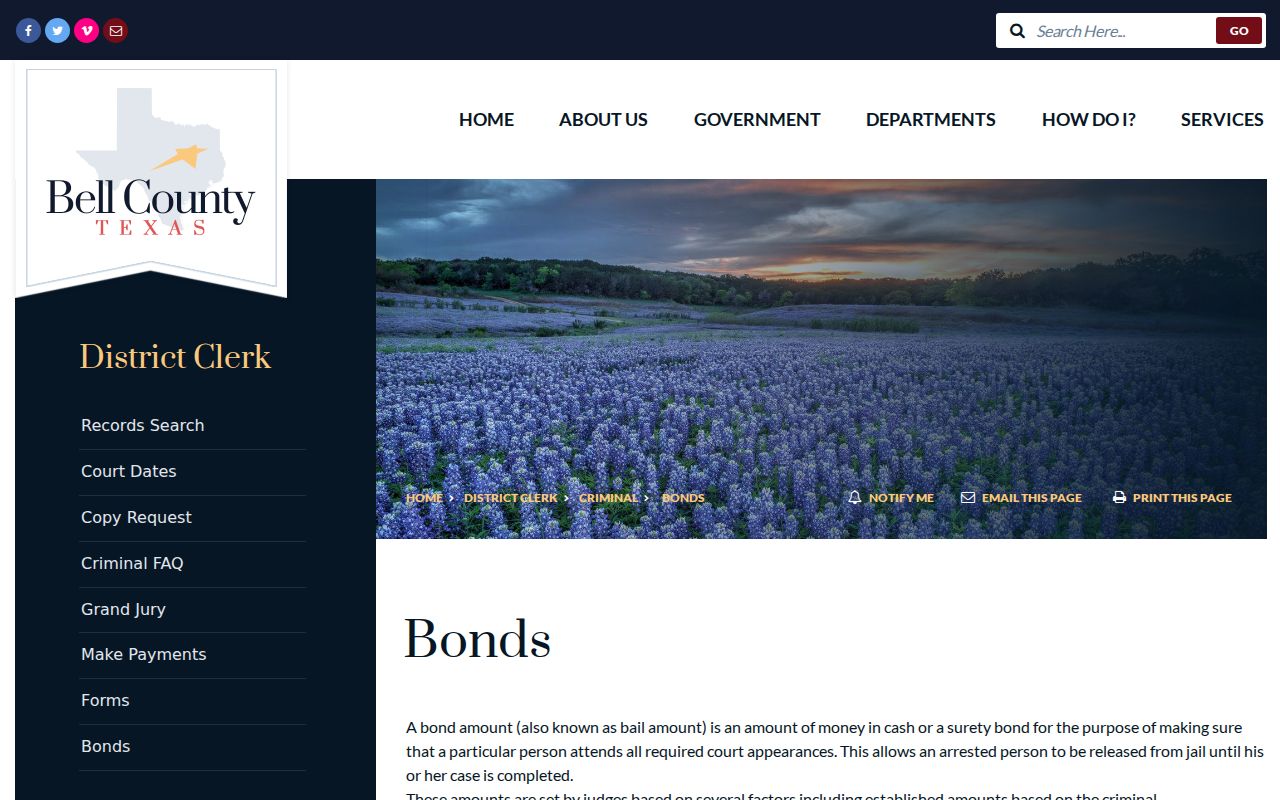
Confirm current payment location and bond terms with the clerk or jail before travel.
If There's an Arrest Warrant for You
Pick up the phone and call the issuing court or the Sheriff's Warrants section. Have the cause number ready. Ask what process and bond details are current. See a lawyer before you appear. Ask whether a surrender or court appearance can be arranged, what papers to bring, and which office accepts bond. No Bell County source promises a public-counter visit will avoid arrest.
Do not rely on a blank portal result. Confirm the warrant and any recall directly with the court or Sheriff, and get legal help before a custody-related appearance.
Hang onto every paper tied to your Bell County warrant: the written instruction, the court date, the bond receipt, and any recall order. Keep them in one folder so nothing gets lost. The county's District Clerk bond page lays out the general bond route, while federal matters go through the Waco Division instead.
Bell County Federal Warrants Use Waco
Federal cases land in the Waco Division of the U.S. District Court for the Western District of Texas, and Bell County sits inside that division. Nothing about a federal warrant shows up in the Bell County Sheriff's public route by default. You may find public docket material through PACER, though registration and per-page fees can apply. A sealed complaint or warrant can stay hidden even there. A docket result, in short, is not warrant confirmation. For federal process, talk to counsel, the federal clerk, or the U.S. Marshals route named by official sources. Never treat a county or city payment screen as a way to resolve federal process. The Waco Division's own page identifies the federal courthouse that handles Bell County matters.
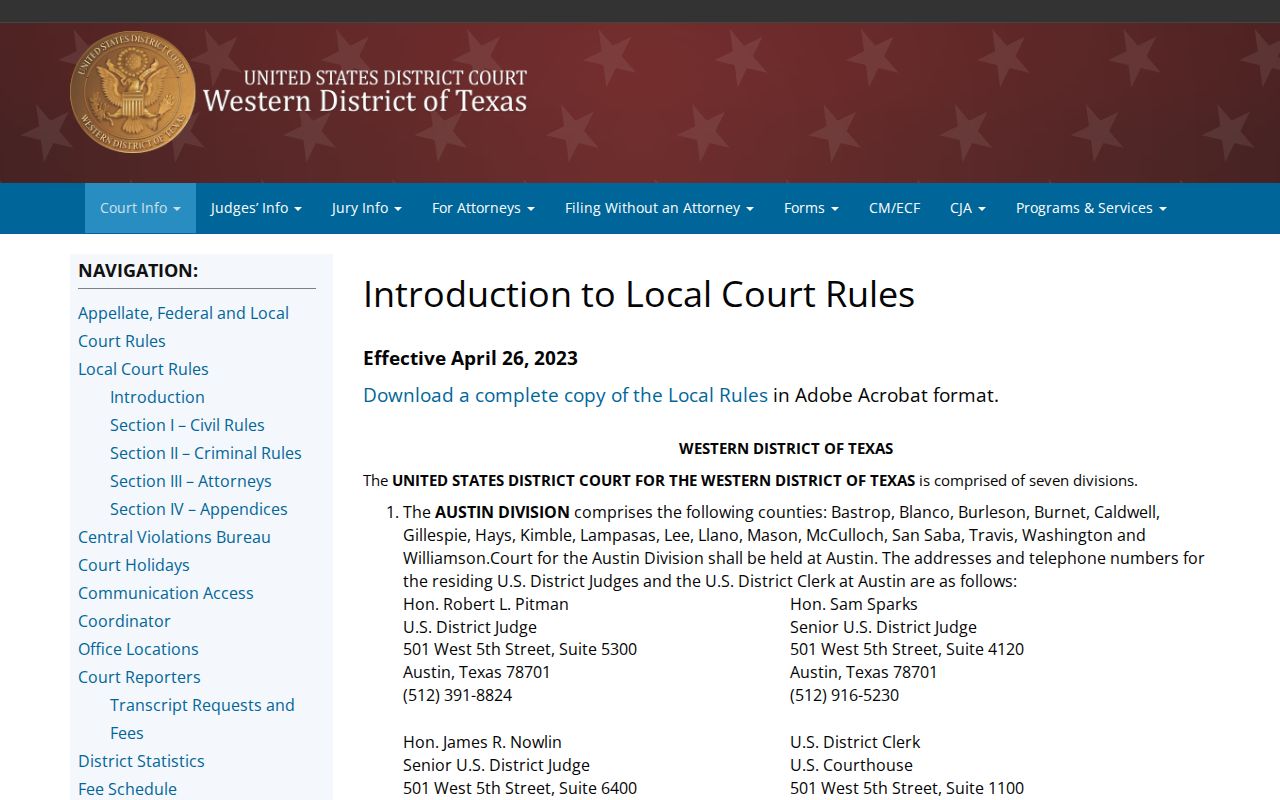
PACER is the federal judiciary's public docket search route. It can help you spot a case tied to a Bell County federal matter, subject to registration, fees, and sealed-record limits.
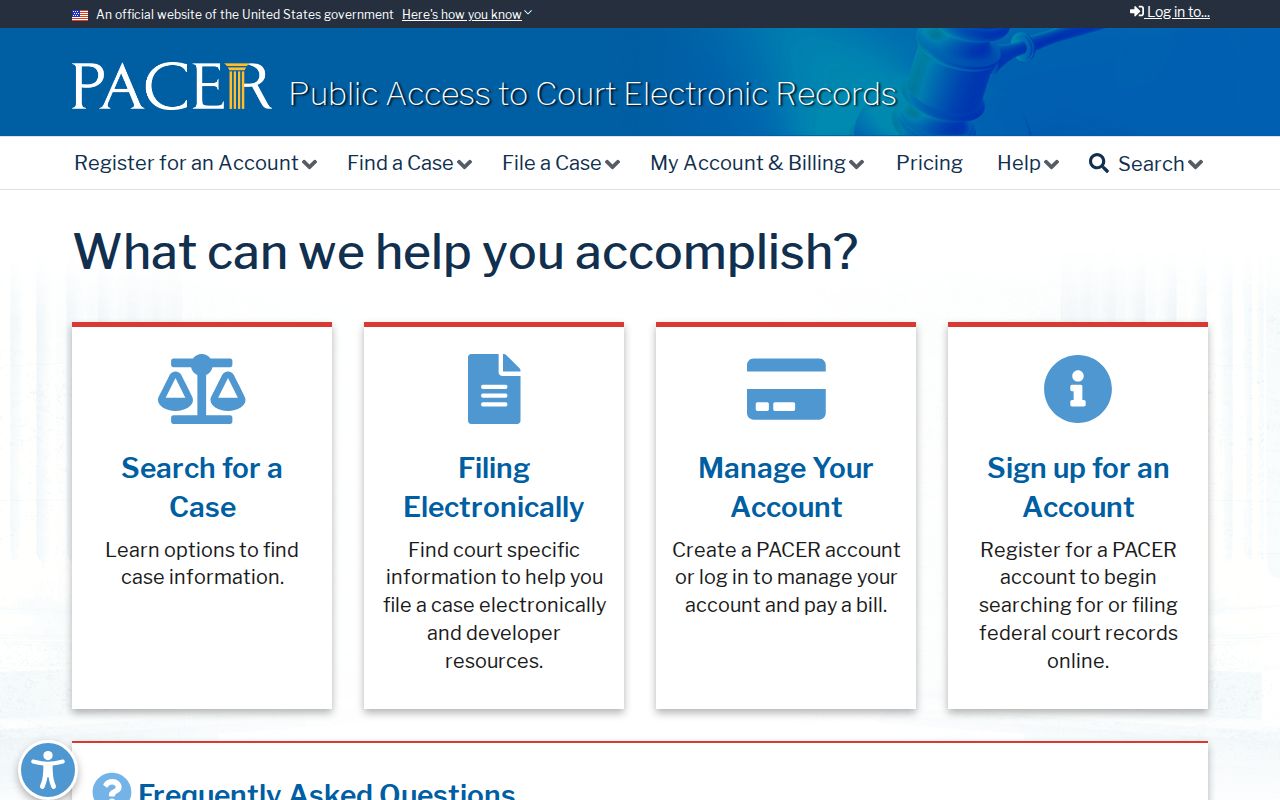
The separate federal layer has its own court, clerk, and serving agencies.